

SAAS PLG ACTIVATION
Turn confused signups into activated users
We build product language systems for SaaS PLG teams that need clearer onboarding, sharper feature adoption, better pricing explanations, and fewer “how do I?” support tickets.


Built for APAC SaaS teams shipping across product, support, and AI

Embedded in Figma, Linear, and real product workflows (not docs)

Designed for activation, retention, and support deflection
Unclear language is pushing users away
Every product journey already has friction points. We map our work directly into those moments—so users understand, trust, and complete the journey.
Hidden activation killers
Signup Friction

Users hesitate when promisees are vague and credit card requirements feel risky.
How can we help you
- Signup flow copy
- Trial Framing
- Risk Reversal Language
Onboarding Overload

Users don’t finish onboarding because they don’t understand what they’re working toward.
How can we help you
- Onboarding rewrites
- First Session Narratives
- Progress language
Setup Hesitation

Users don’t complete integrations because of unclear next steps or little to no self-help guides.
How can we help you
- Empty State Library
- Persmission explanations
- Risk-reducing microcopy
Missed Activation

Success is explained in product terms, instead of goals that matter to the users.
How can we help you
- Success messages
- Outcome reframing
- First-value scripting
Conversion Confusion

Users can’t clearly evaluate the value they’re paying for, so they hesitate completing a transaction.
How can we help you
- Usage messaging
- Plan Comparisons
- Upgrade Prompts

Most PLG problems are language problems in disguise. The fix is not more pop-ups, emails, or help articles. You need a language system that guides users from
signup to value.

BUSINESS IMPACT
Clear product language compounds across the SaaS funnel
Reduce friction at every step with clear product language, so users take action faster and stay longer.

Higher Activation
Users understand what to do first and why it matters.

Shorter Time-to-Value
Users understand what to do first and why it matters.

Better feature adoption
Launches explain the job-to-be-done, not just the feature.

Stronger trial-to-paid conversion
Pricing, plan gates, and upgrade prompts become easier to evaluate.

Lower support volume
Help content, support macros, and in-product guidance work together.

More trusted AI features
Users understand what AI can do, what it cannot do, and when to verify.

Better APAC readiness
Product language becomes easier to localize across payment norms, currencies, markets, and code-switching behavior.
HOW WE CAN START
Buy outcomes, not just retainers.
Run one sprint to fix a problem. Run a pod to fix how your product communicates—continuously.
PRODUCT MARKETING
GTM & Monetization Language Sprint
Turn product value into demand and adoption. Build product-led campaigns that drive activation.
STARTS AT
$2,500–$5,000
TYPICAL DELIVERABLES
- Product analytics report
- Product marketing strategy
- Product-led creative assets
- Feature adoption campaigns
- Feature launch campaigns
- Lifecycle messaging
BEST FOR
Launching a product or feature
Fixing weak adoption
Aligning product and GTM
PAYMENT TERMS
Pay per sprint only
Typical sprint runs 5–6 weeks
Pricing adjusts based on scope
No lock-in beyond the sprint
*Ad budget excluded
PRODUCT LANGUAGE SYSTEMS
Self-Serve UX Sprint
Remove confusion across onboarding, self-serve flows, and support. Turn scattered copy into a system.
STARTS AT
$2,500–$5,000
TYPICAL DELIVERABLES
- Product analytics report
- Empty state library
- Setup prompts & guidance
- First-task guidance
- Help Center IA audit
- Figma-ready copy wireframes
BEST FOR
Low activation or onboarding
High support tickets
Confusing product flows
APAC expansion
PAYMENT TERMS
Pay per sprint only
Typical sprint runs 5–6 weeks
Pricing adjusts based on scope
No lock-in beyond the sprint
EMBEDDED LANGUAGE PODS
Unlimited Sprint Support
Your embedded language team of UX writers, copywriters, and product marketers. We keep your product, support, marketing, and AI language systems aligned.
STARTS AT
$2,700 per month
TYPICAL DELIVERABLES
- Unlimited sprint support
- UX writing execution
- Release and change messaging
- Help center & support alignment
- Localization readiness
- AI and trust language support
BEST FOR
PLG SaaS teams
Supporting AI
Aligning product and GTM
PAYMENT TERMS
Pay per sprint only
Min. 6 month commitment
Pricing based on team members
Lower cost per sprint
Save up to USD $150,000+ per year with our services.
Building an internal product marketing + UX function can cost $80K–$200K+ per year, while agency retainers often run $60K–$180K annually. We deliver the same outcomes—without the hiring, ramp time, or overhead.
How we work
We turn language friction into growth
Step 1
Step 2
Step 3
Step 4
We work where you build


PORTFOLIO
Built across a unified ecosystem, not one-off projects
We partner with venture builders like Pacific Equities Group to shape product language, go-to-market, and launch systems across multiple companies—not just individual brands.

Creator-led eCommerce platform
Marketplace messaging, conversion flows, and product growth campaigns
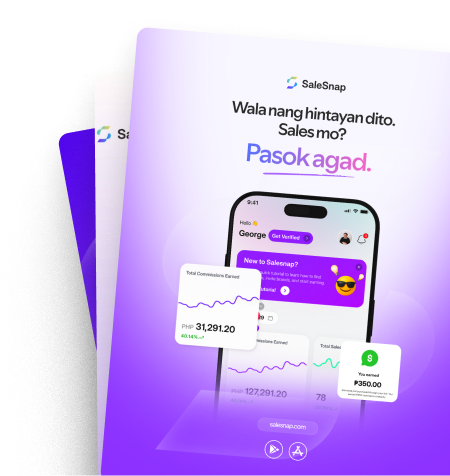

Payroll and HR platform
Marketplace messaging, conversion flows, and product growth campaigns

AI-powered POS and sales intelligence for F&B
Marketplace messaging, conversion flows, and product growth campaigns

Inventory and margin intelligence platform
Marketplace messaging, trust messaging, and product growth campaigns

Payroll account management for F&B
Marketplace messaging, trust messaging, and product growth campaigns

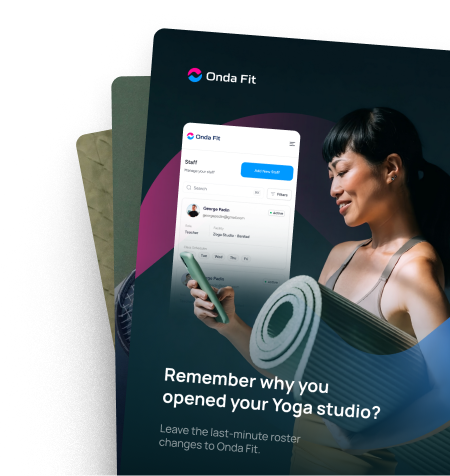
Fitness booking and scheduling system
Activation flows, acquisition messaging, and onboarding clarity
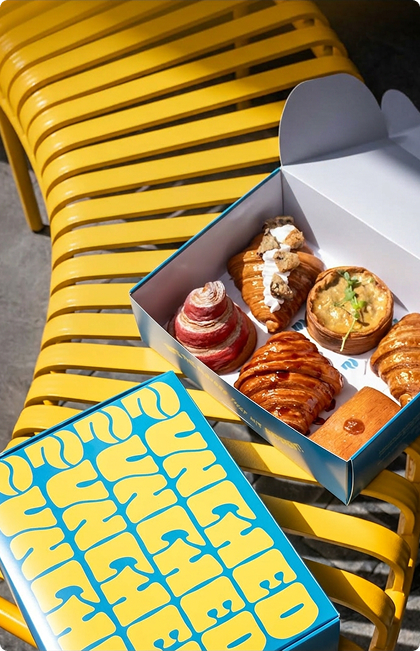
Case study
10 websites. 150 days saved. Zero copy bottlenecks.
Punched Group needed to launch 10+ venture brands without slowing down design. We built 10 Figma-ready Copywires in ~30–50 working days, helping them avoid an estimated Php1.6M–3.2M in hiring, rework, and launch-delay costs.

~70–150
working days saved

~P3.2M
hiring and rework costs saved
Frequently asked questions
Before you book a call…
Why does a sprint cost $2,500–$5,000? What determines the final price?
Pricing depends on how many product flows we’re fixing (e.g. onboarding, pricing, support), how complex your product is, and how deeply we integrate into your workflows. We scope each sprint around one clear outcome—not hours—so you know exactly what you’re paying for.
What exactly do we get in one sprint?
Each sprint is designed to fix a specific bottleneck like onboarding, pricing, or support. You’ll get a mix of strategy, UX writing, and Figma-ready copy systems that your team can immediately implement inside the product.
How do we decide between the Product Marketing Sprint and the Self-Serve UX Sprint?
If your problem is outside the product (positioning, adoption, launches), start with Product Marketing. If your problem is inside the product (onboarding, flows, support), start with the UX Sprint. If both are broken, we’ll recommend which one unlocks revenue faster.
Why is the Embedded Language Pod cheaper per sprint?
Because it’s a longer-term commitment. With a minimum 6-month engagement, we can work continuously across your product, which lowers the cost per sprint and removes the need to re-scope work every time.
What does “unlimited sprint support” actually mean?
It means we continuously work on your highest-priority language problems—onboarding, features, pricing, support, AI—within your sprint cycles. Instead of one fixed scope, we adapt to what your product needs as you ship.
Can we start with one sprint and switch to the embedded pod later?
Yes, that’s the most common path. Teams usually start with a sprint to fix a high-impact issue, then move to the pod once they see how much faster they can ship with ongoing support.
Is this more cost-effective than hiring a UX writer or agency?
In most cases, yes. You get a cross-functional team (UX writing + product marketing + systems thinking) without hiring, onboarding, or managing multiple roles. Plus faster time to results in weeks, not months.